

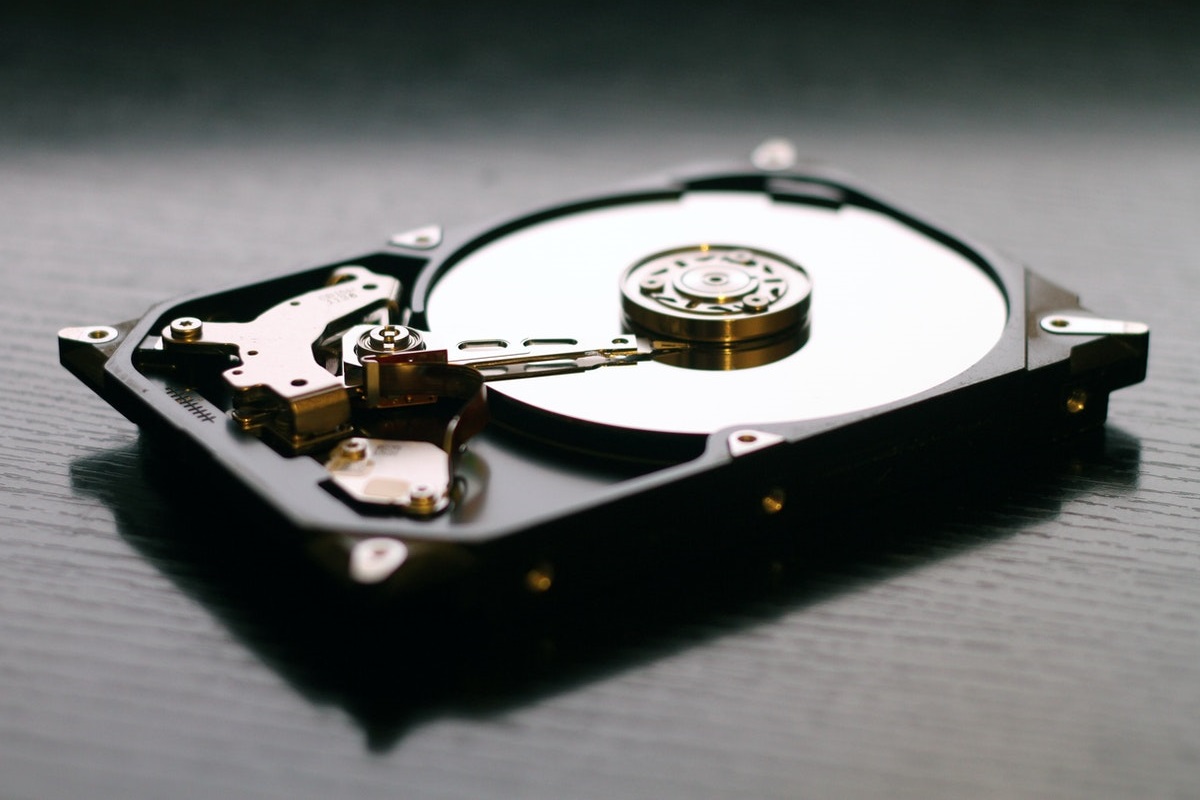
Data recovery concerns the salvaging of lost or corrupt data. This data can be reclaimed from damaged, corrupt, failed or inaccessible storage devices when normal data access methods cannot be executed. The process of recovery is applied to storage media, like internal or external hard disk drives (HDD) or solid state drives (SSD), flash-based storage media (e.g. SD cars and portable USB devices, optical media (CDs and DVDs) and storage tapes.
There are two broad categories with regard to data recovery. Firstly, hardware-based data recovery is concerned with the recovery of data from physically damaged storage devices. Secondly, software-based data recovery deals with recovery of data related to logical faults.
Hardware-based data recovery is concerned with the recovery of data from physically damaged storage devices (e.g. the storage device doesn’t boot normally, unusual noises eminating from the device, overheating of components, problems with reading and writing data). These problems generally relate to an issue with a physical aspect of the device and could arise from direct damage to the computer case or storage device itself, electrical anomolies (e.g. a power surge after load-shedding) or even device age.
Though complex, we do offer hardware-based data recovery that is safe and carried out professionally, in a confidential manner and by qualified individuals. However, quick action is required as this aids the data recovery process. Our recommendation is that as soon as any of the above scenarios are experienced, leading to data loss, the individual should cease the use of the computer (preferably shutdown) and engage with our data recovery service. This is of utmost importance as there is a high chance that the required data could become overwritten meaning that it cannot be retrieved at all. Further to this, and perhaps more importantly, prolonged use of a physically damaged drive could cause it to become even further damaged which will have dire consequences.
Data Recovery Policy: If we cannot recover your data then there is no charge.
Software-based data recovery deals with the recovery of data related to logical faults (e.g. accidental deletion of files or folders, file system formatting and operating system or application crashes). These faults are not as serious as the ones related to physically damaged components. They are usually related to human error but at least do not cause permanent device damage. This is good as it reduces the effort required to recover the lost data. However, with that being said, it is still important to apply the correct tools and procedures in order to ensure that the data is recovered correctly and safely.
We can recover the data that has been lost in the scenarios mentioned above. However, quick action is required as this aids the data recovery process. Our recommendation is that as soon as a data loss event is experienced, the individual should cease the use of the computer (preferably shutdown) and engage with our data retrieval service. This is of utmost importance as there is a high chance that the required data could become overwritten meaning that it cannot be retrieved at all.
Data Recovery Policy: If we cannot recover your data then there is no charge.
As computer hardware evolves, it becomes better (faster speed, increased capacity and reduced size). As a result, hardware that once was common, soon becomes obsolete as newer systems exclude support for these older technologies. Storage devices are no different. Remember the IDE hard disk drive that once easily fitted into your desktop, but now can't be used anymore because all new motherboards only have SATA ports? Or what about your laptop that once supported CDs and DVDs, but now has no optical drives?
These technical advancements are great, as they make our systems perform better, however, what happens to the data on these old storage devices? We believe that you don't have to part ways with your precious data when upgrading your storage devices. As such, we are proud to present an offering that will quickly and effeciently transfer your data from old storage devices such as old hard disk drives (IDE), CDs, DVDs and stiffy drives to newer storage devices such as SATA hard drives and portable flash-based devices (e.g. USB flash drives).